
Joint Preservation
Protecting Your Natural Joint and Delaying the Need for Replacement
Joint preservation focuses on treating hip and knee conditions early to maintain the natural joint for as long as possible and delay or avoid the need for joint replacement surgery.
Mr. Nadim Aslam is a Consultant Orthopaedic Surgeon specializing exclusively in hip and knee surgery, with extensive experience in joint preservation techniques for both younger and active patients.
What is Joint Preservation Surgery?
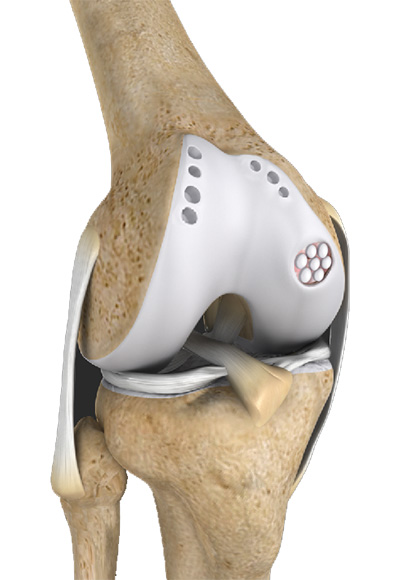
Joint preservation surgery is an orthopaedic procedure performed to repair and preserve a deteriorating joint causing pain.
A joint is a point in our body where two or more bones meet and connect through a fibrous tissue called cartilage. Major joints of the body include the hips, knees, shoulders, elbows, and ankles.
Joint preservation surgery typically involves:
- Correcting the anatomic abnormalities of the joint
- Restoring the normal joint motion without replacement
- Maintaining cartilage and bone health of the joint
While the procedure can be used for any joint in the body, it is most commonly performed to the knee, shoulder or hip joints.
Significance
Damage to a joint can prevent a full range of the joint’s movement and cause a lot of pain. This can stop or limit you from performing daily activities, especially if the pain is recurring or chronic. Joint replacement is a surgery in which the damaged joint is removed (partially or totally) and replaced with a prosthesis.
However, most of the time especially in young active patients or athletes, the prostheses are highly prone to wear-and-tear and will eventually require repeat surgery. In such cases, preserving the joint with surgery can help prevent deterioration of the joint or delay the onset of certain degenerative conditions like osteoarthritis affecting the joint. This will allow the patient to resume normal activities without further damaging the joint.
Causes of Joint Pain
You can damage a joint suddenly or it may happen gradually over time. The causes of joint pain can be:
- Injury to the joint cartilage
- Bone dislocation due to trauma
- Natural wear and tear of the joint
- Degenerative diseases such as arthritis
- Inherited abnormalities in the joint
Whatever the cause, the joint should be preserved as long as possible. This is particularly true if the patient is a younger, active person.
Indications for Joint Preservation Surgery
Although joint pain is common in both adolescents and adults, the surgery is best suitable for patients who are in their early teen years to Middle Ages.
You can be a potential candidate for a joint preservation procedure if you experience any of the following:
- Cartilage deformity in the joint
- Inability to do daily activities.
- Increasing and constant joint pain
- Joint pain following an arthroscopy procedure.
- Pain after previous joint replacement
Preparation
Your surgeon will discuss the necessary protocol to be followed before the surgery.
Joint Preservation Surgery
The joint preservation surgery can be all arthroscopic, all open or a conjunction of the two techniques. However, arthroscopy alone method is most frequently employed for joint preservation.
Arthroscopy, also referred to as keyhole or minimally invasive surgery, is a procedure in which a device called an arthroscope is inserted into the affected joint to check for any damage and repair it simultaneously. This procedure is performed through very small incisions and is used to treat various joint conditions.
A joint preservation surgery typically involves repair of only a part or two of the joint. The spectrum of the surgery includes:
- Cartilage repair or restoration
- Bone altering or realignment.
- Transplantation or implantation
- Joint resurfacing or reconstruction
- Partial joint replacement
Joint preservation surgery will vary based on the requirement of the patient. The surgeon will discuss and choose the best option depending on the joint affected, type of injury or disorder, severity of the condition and age of the patient.
After Surgery Protocol
Following the surgery, an individualised physical therapy programme may be recommended until normal mobility returns to the affected joint.
Benefits of Joint Preservation Surgery
- Avoids joint cartilage damage in future.
- Eliminates or reduces joint pain.
- Improves or restores joint function.
- Prevents or minimise further joint degeneration.
- Increases the life span of the joint.
- Delays or avoids joint replacement surgery.
- Restores productivity and quality of life.
- Reduces long-term costs of health care.
Contraindications
Joint preservation surgery is not recommended for patients with severe arthritis (inflammation of the joint).