
Mako Robotic Joint Replacement: With Mr Nadim Aslam
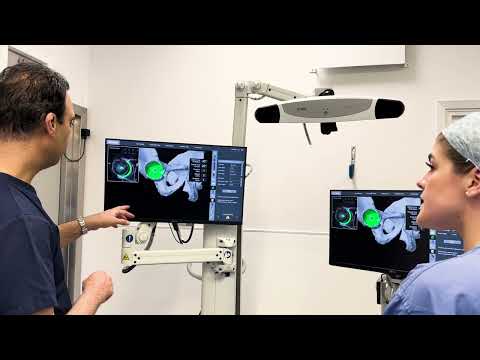
In this 3-minute video, Consultant Orthopedic Surgeon Mr. Nadim Aslam highlights the advantages of using the Stryker MAKO robotic system for total knee and hip replacements.
Here is a summary of how the technology works and its direct benefits to patients:
Technology & Surgical Precision
Personalized 3D Blueprint: The surgical process starts by merging a standard patient CT scan with advanced 3D modeling software. This enables the surgeon to carefully map out the exact sizing, alignment, and positioning of the implant tailored to the patient's unique anatomy before entering the operating room.
Sub-Millimeter Accuracy: During the operation, physical tracking sensors are placed around the joint to create a real-time 3D field for the software. The surgeon manually guides the robotic arm to shave and shape the bone with sub-millimeter precision, protecting healthy bone and surrounding soft tissues.
Complete Surgeon Control: Mr. Aslam stresses that the robot does not perform the surgery independently; the surgeon is always present and remains in total control]. The technology serves as an interactive guide, allowing the surgeon to consistently execute the pre-op plan while leaving room for dynamic, real-time adjustments.
Clinical Benefits for Patients
Compared to traditional joint replacement methods that rely purely on manual cutting blocks and the naked eye, robotic-assisted surgery offers:
- A shorter hospital stay and a faster overall recovery timeline [01:15].
- Significantly lower post-operative pain and a reduced need for pain relief medication [01:15].
- A more balanced, stable, and natural-feeling joint replacement [01:23].
- A lower risk of post-surgical complications and a higher probability that the implant will last much longer [02:13].